The Mystery of Japan’s Legendary "Purple-Haired Obachan"
I really love Osaka. In fact, I’m a huge fan of the entire Kansai area, including Kyoto and Nara. But more than anything, I’m obsessed with the lively, energetic Obachan (middle-aged aunties) of Kansai. I’ve always aspired to be like them. Honestly, people say I might already be pretty close...
A Nationwide Phenomenon
While the stereotype is mostly linked to Kansai, to my knowledge, the famous "Purple-Haired Obachan" wasn't just a local thing. They appeared all over Japan. I used to see them quite often as a kid. But lately, they’ve become so rare that calling them "legendary" feels pretty accurate.
A Surreal First Impression
Even as a kid, seeing an Obachan with bright purple hair made a surreal impression on me. Because it was so unusual, it left a huge, unforgettable mark. I bet others across Japan felt the same shock witnessing the phenomenon. I suspect that these shared, striking memories have gradually spread and become the urban legend we know today.
The Riddle of the Purple Dye
I don't think purple itself is strange; there are plenty of stylish purple hairstyles out there. But the way these Obachans dyed their hair didn’t seem like typical modern fashion choices. It had a totally different vibe, and the true reason behind it still puzzles me. Was it just the hot trend among aunties back then?
What Were They Wearing?
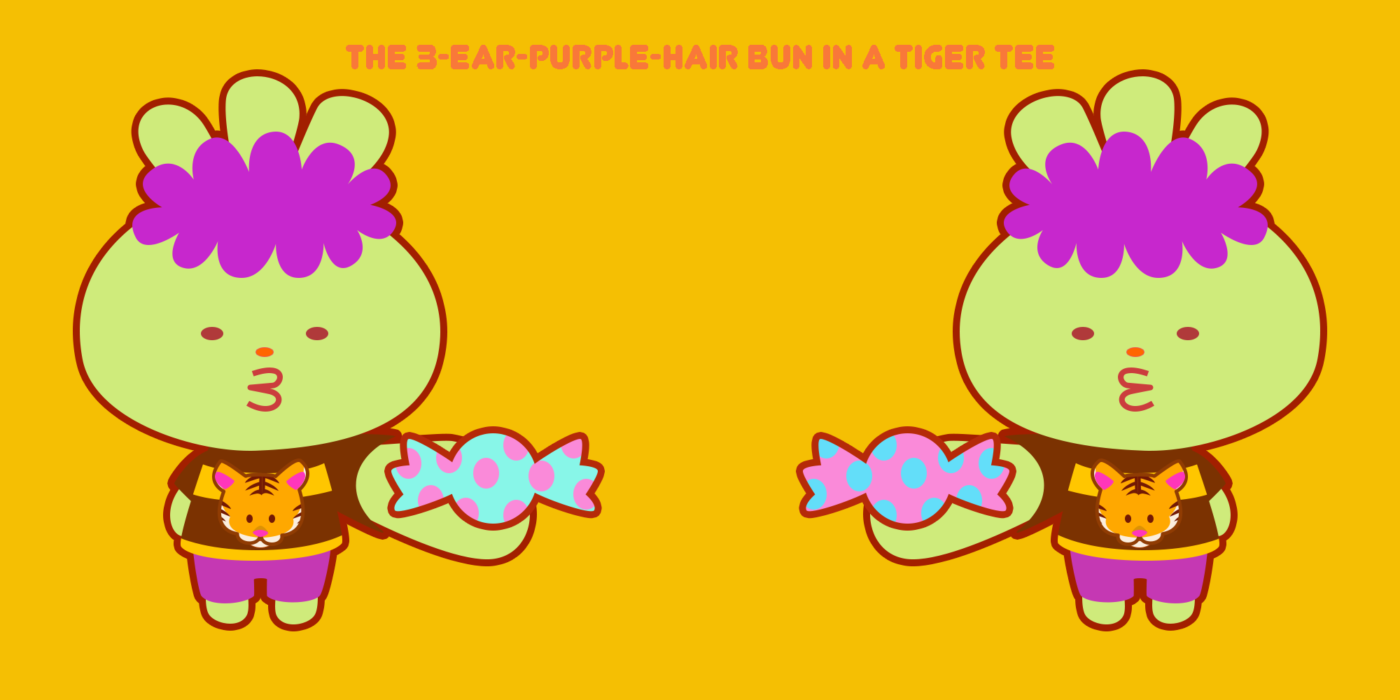
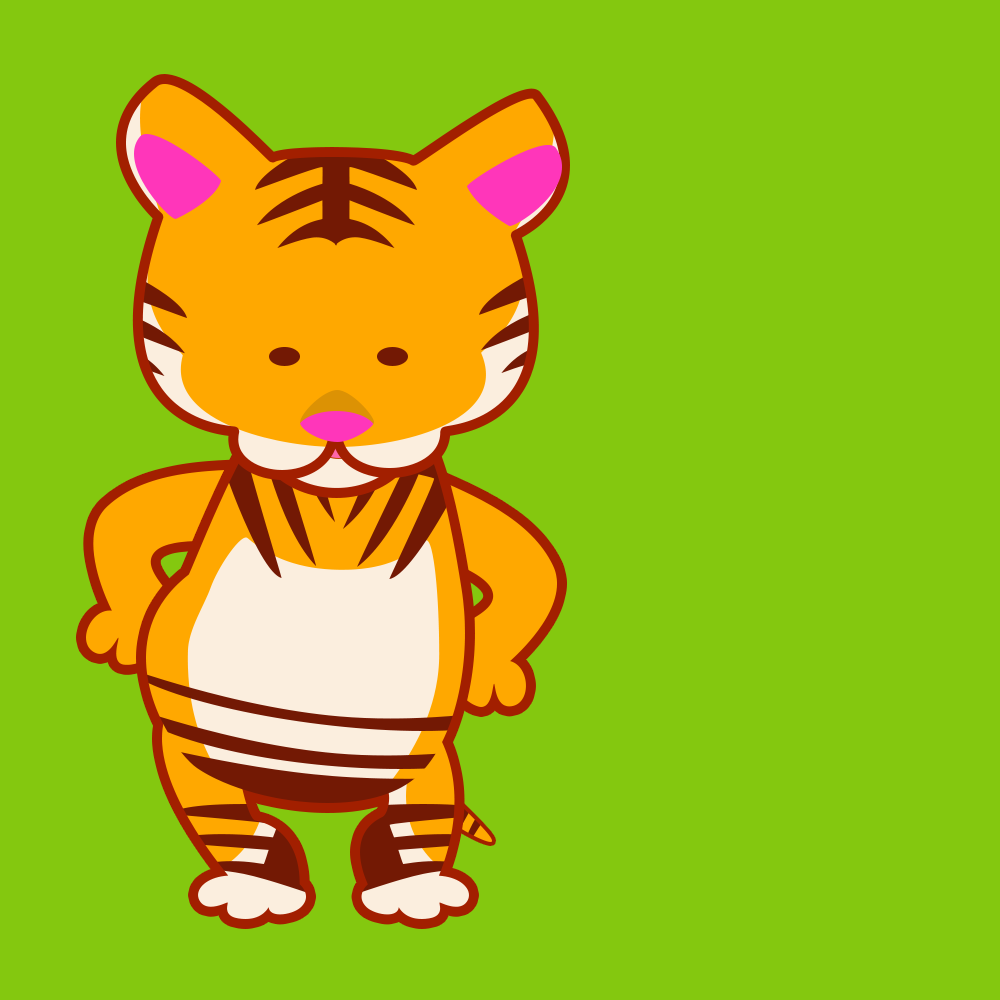
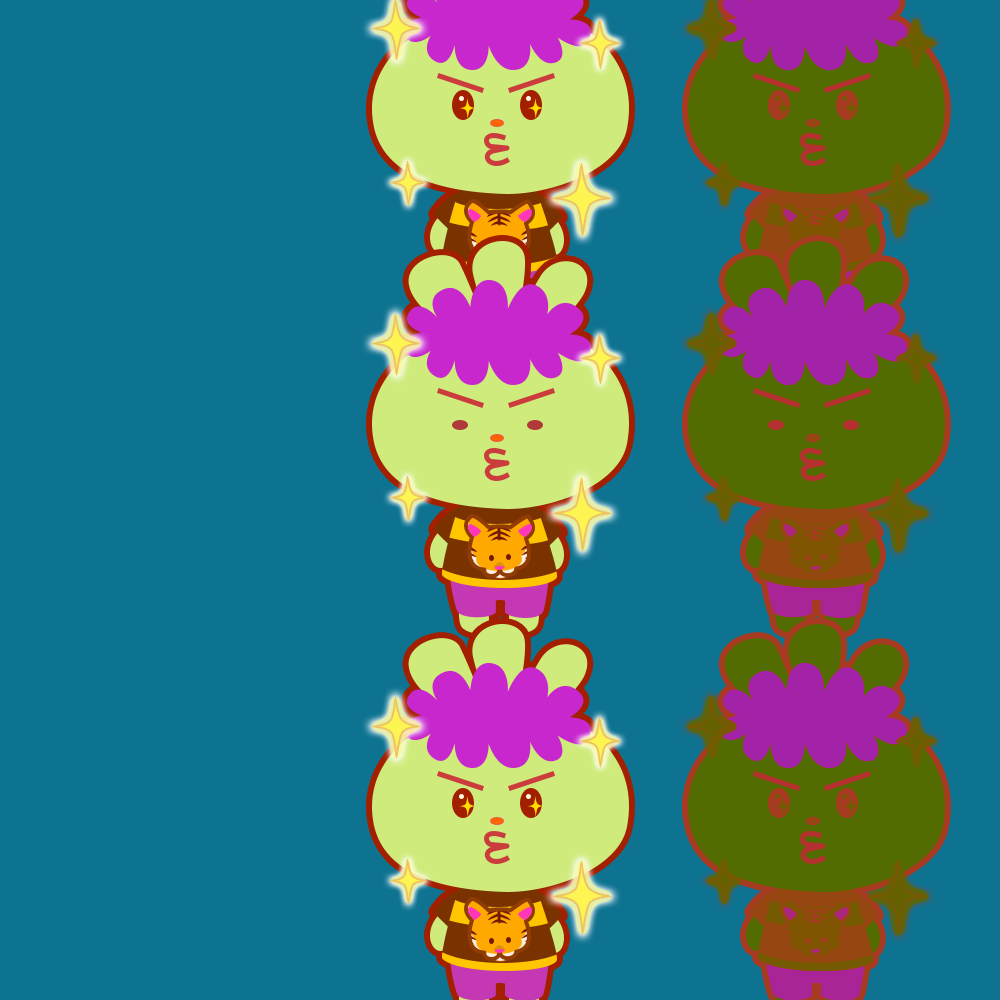
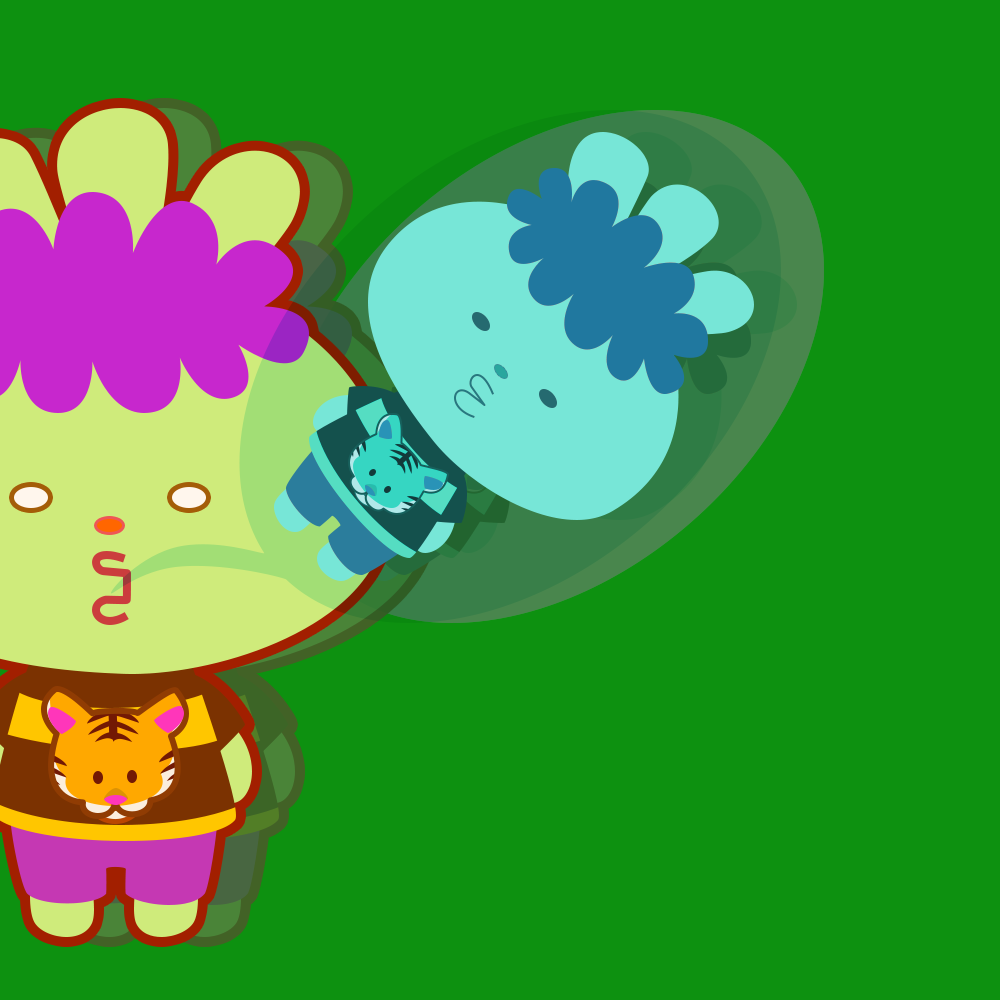
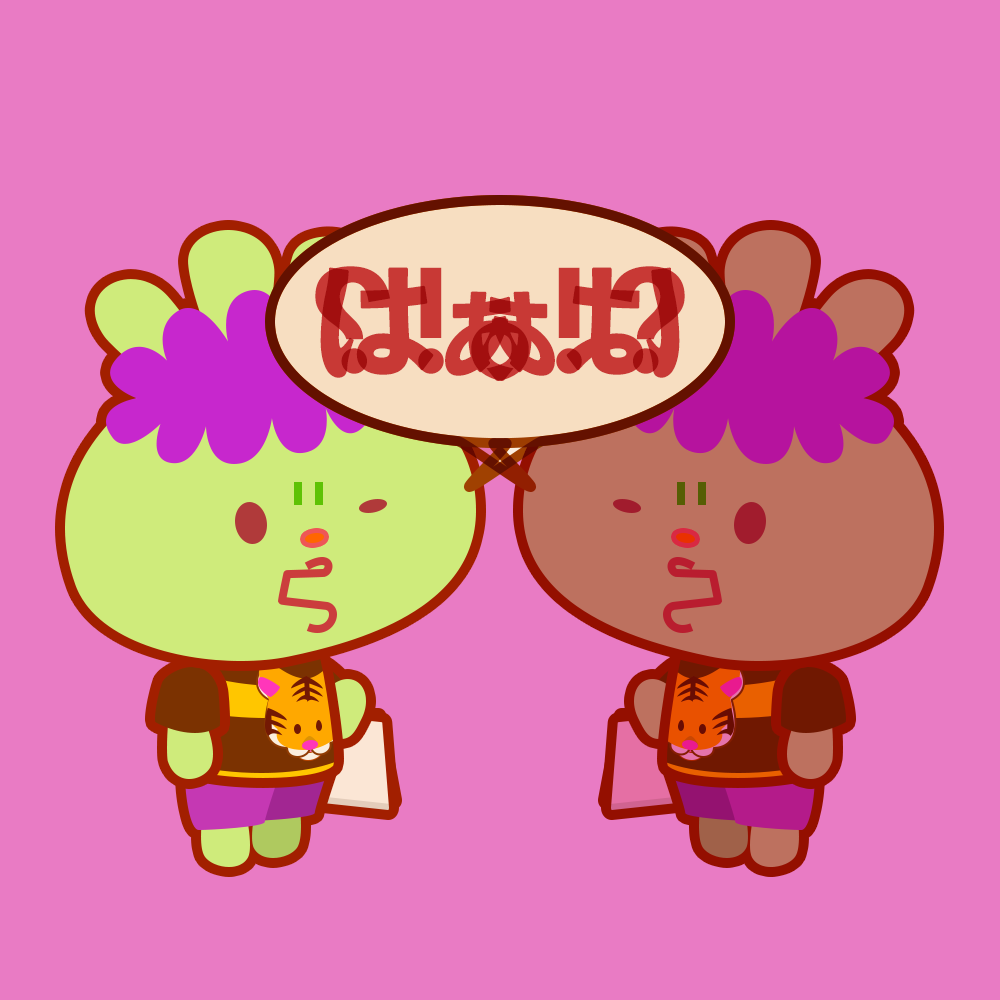
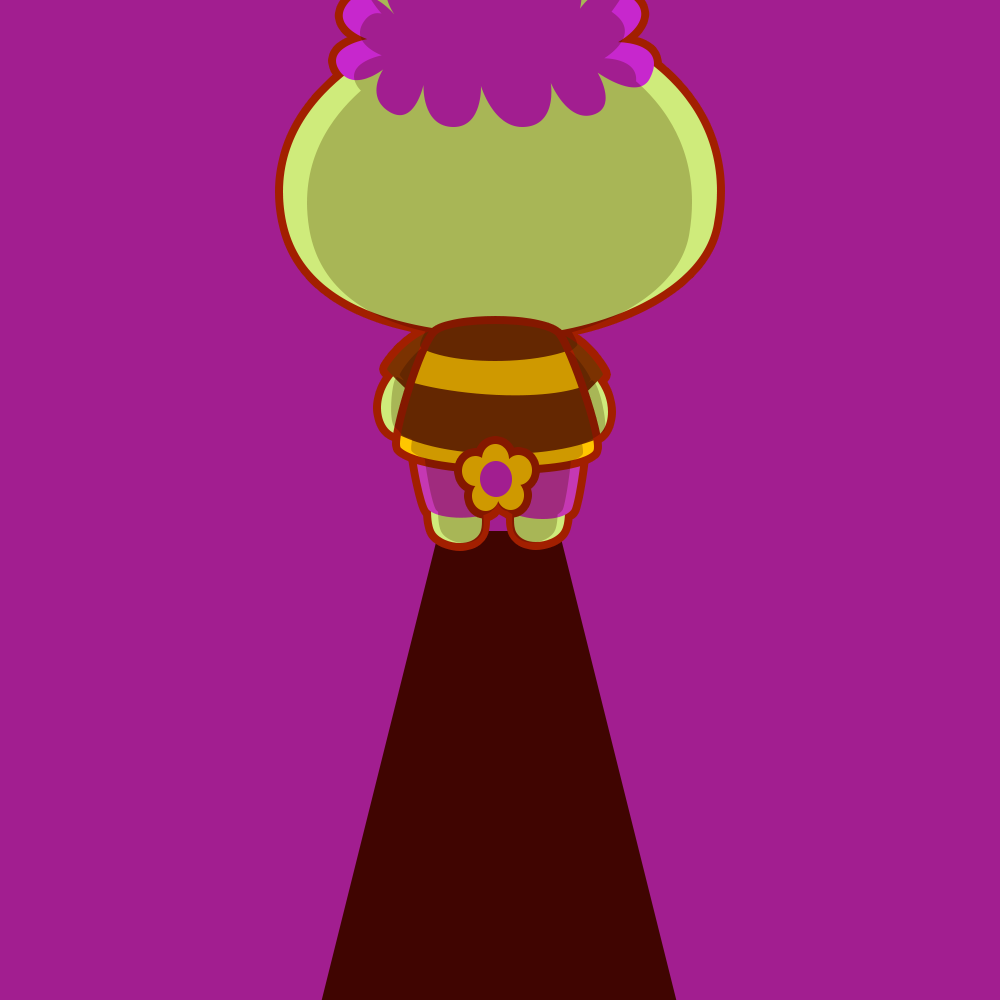
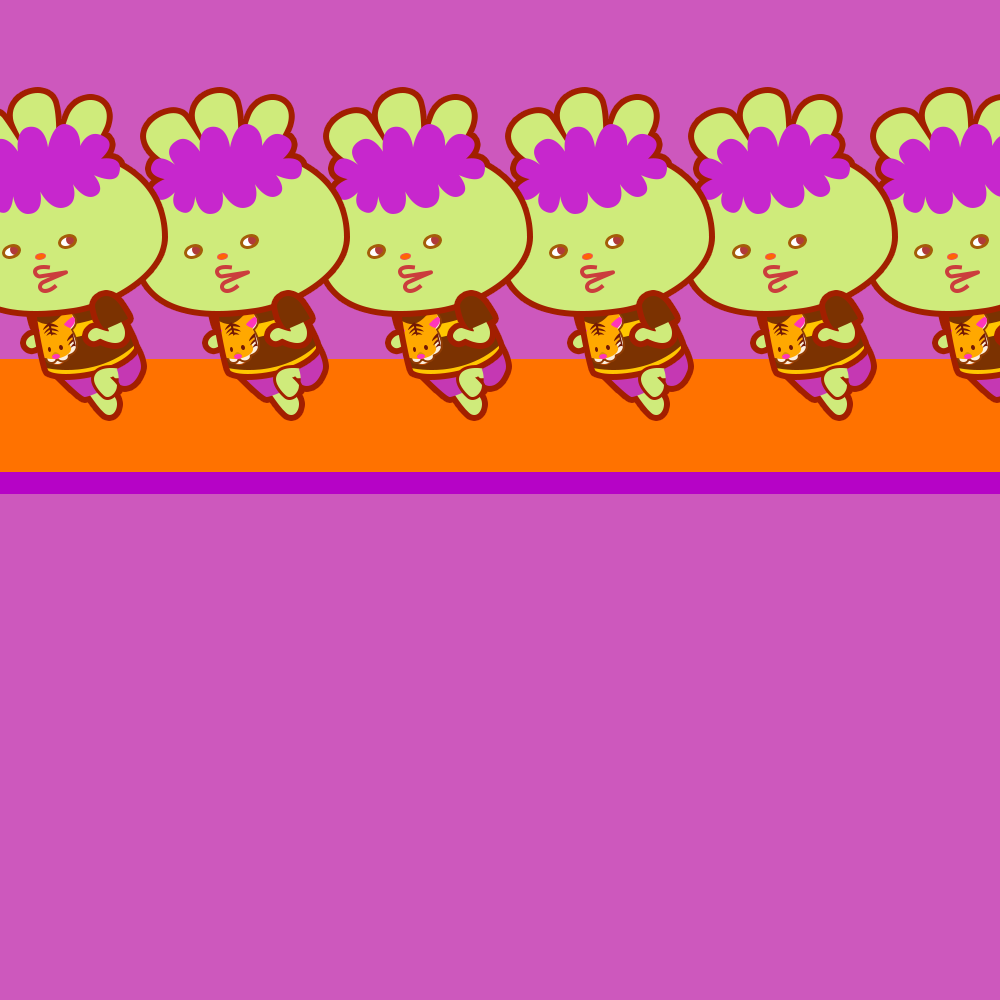
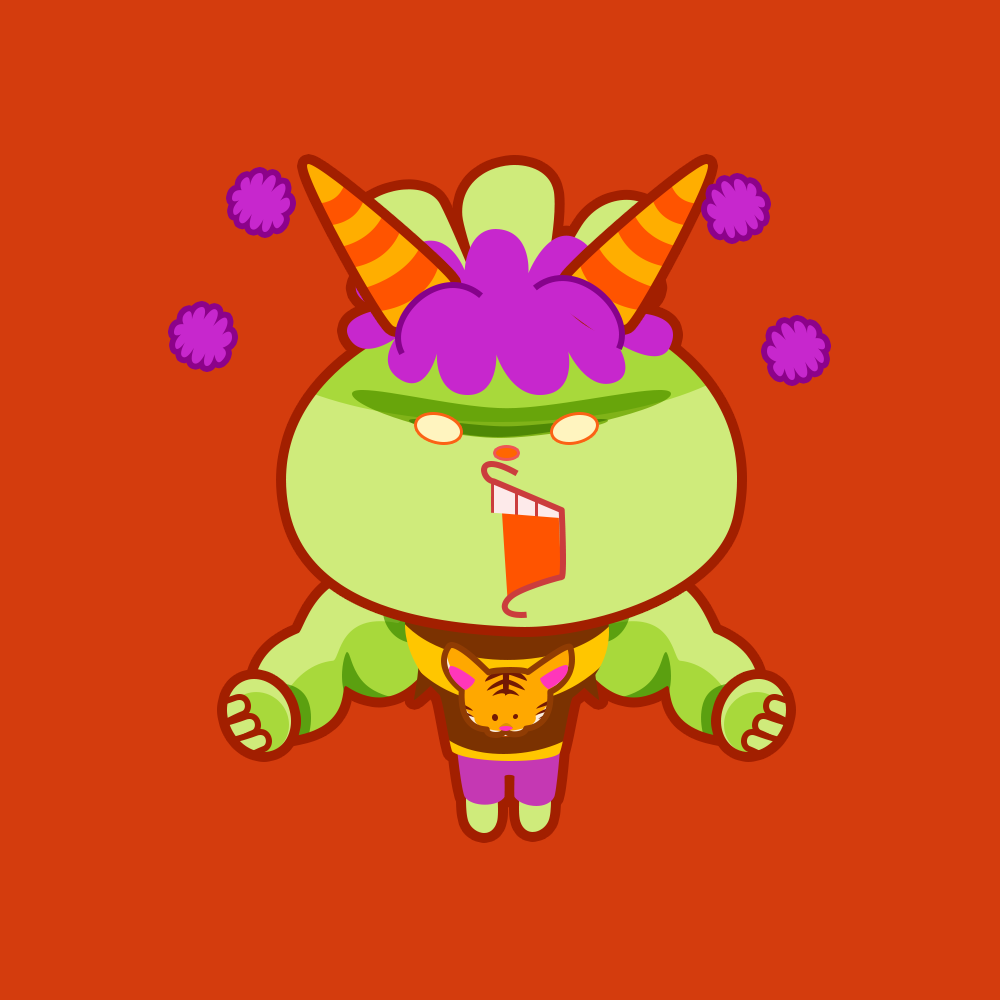
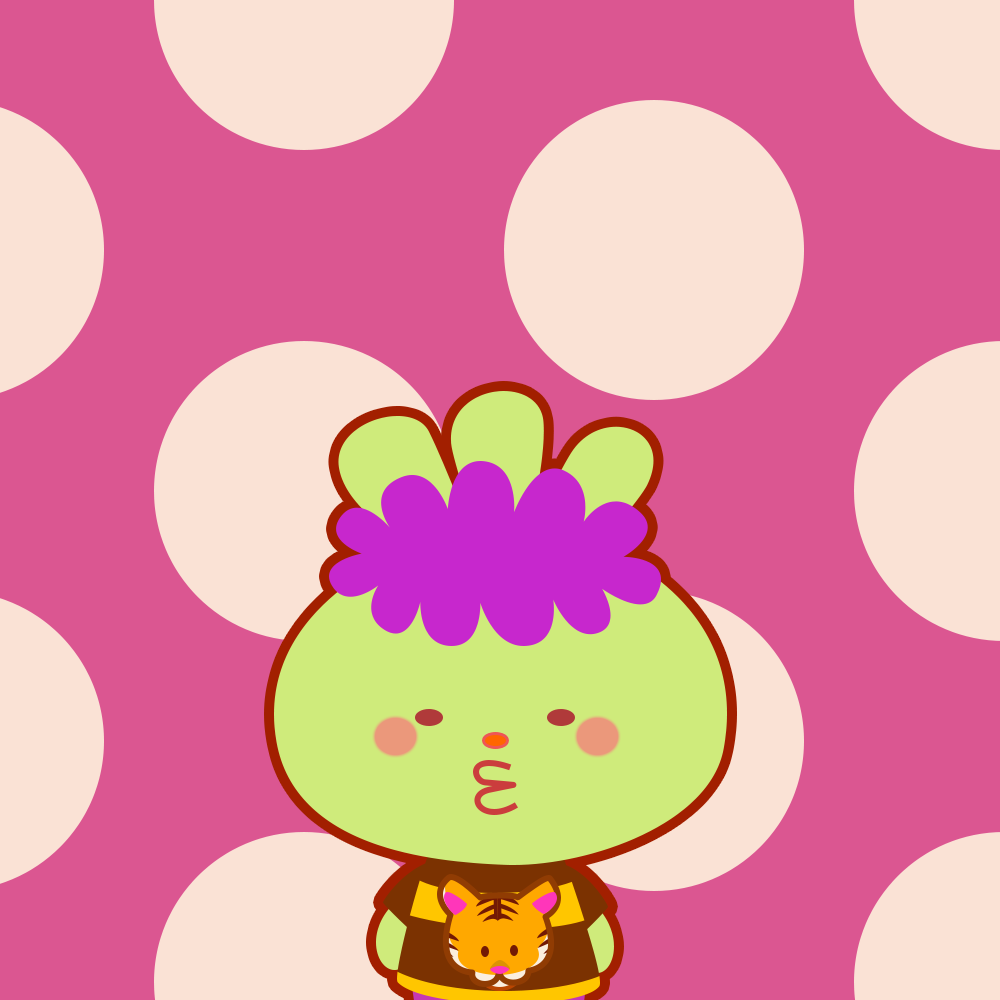
When I created my character, I gave her a tiger-print T-shirt because it reminded me of Kansai right away. But, as I mentioned, I don't think those Obachans were limited to just one area. So, "Purple Hair" doesn't necessarily mean "Tiger Shirt" (or any animal print, for that matter). They could have been wearing anything! Looking back on my childhood memories, I honestly can't recall exactly what they wore. I remember they were... well, "expressive."
It Wasn't Always a Perm, Either
It’s worth pointing out that purple hair didn't automatically mean they had perms. I can confidently say that some of the Obachans I saw had straight hair. These days, people might not buy into that stereotype, but back then, there was this idea that Obachan = Perm. Most likely, it was just the trendiest hairstyle for their age group at the time.
Piecing the Legend Together
If I had to sum up my completely unresearched guess:
• Purple hair was a trend among older women back then.
• Realistic animal prints were in style.
• Perms were popular.
• Famous ’90s comedy shows (like the legendary Okan and Ma-kun) helped shape the image of the "Overpowering Obachan," especially in Kansai.
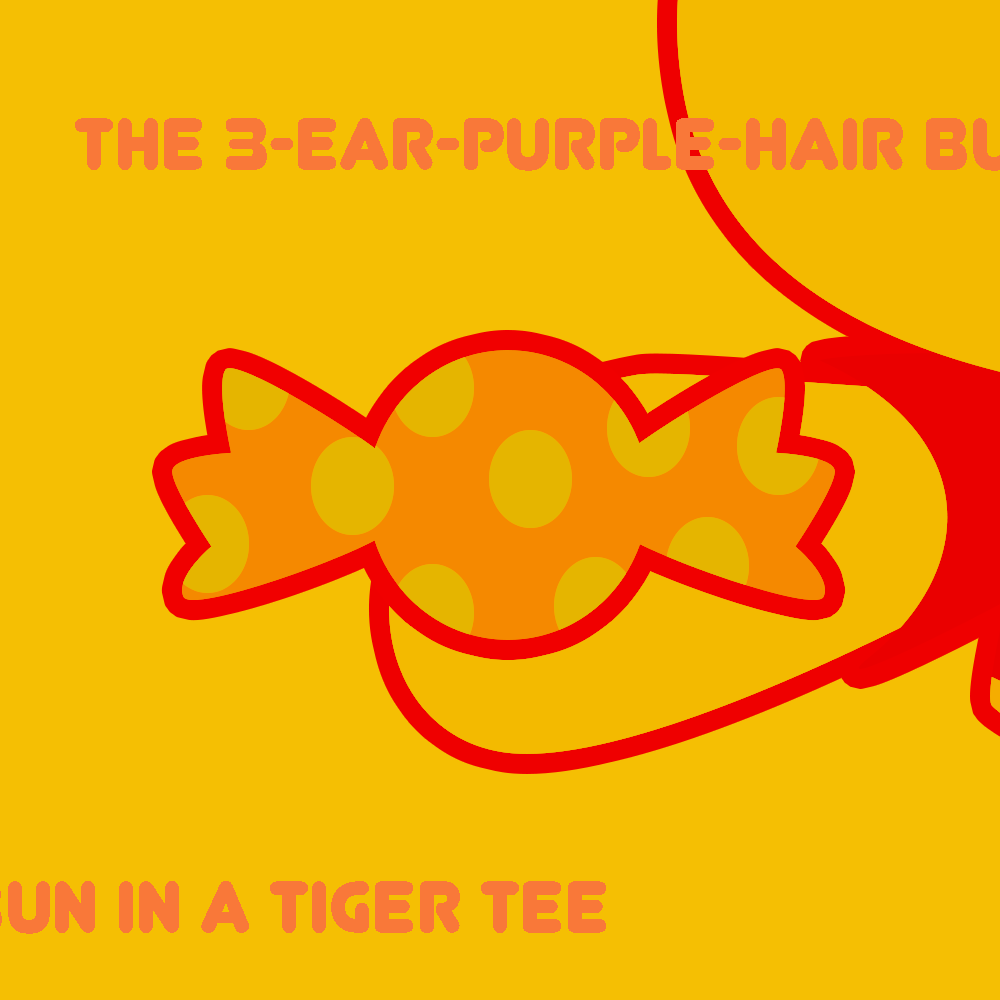
• The "Secret Weapon": In the Kansai region, no legendary obachan is complete without a stash of ame-chan (candy) in her purse to hand out to everyone she meets!
Did all these different elements just come together in our collective memory to create today's "Legend"? This article is just my own old memories and personal theories, so I know there are plenty of inaccuracies—but that's how myths are born!
Maybe I Can Become a Legend
The purple-haired Obachan has officially turned into a myth. But as I think about it... Now that I'm an Obahan myself, I could very well become one if I just decided to dye my hair purple!! I’ve been toying with the idea of taking the plunge and joining the legend ranks. But then it struck me: if I actually do it and appear in real life, it stops being an urban legend.
Footnote for the curious:
• Kinki Region: Includes Osaka, Kyoto, Nara, Hyogo, Mie, Shiga, and Wakayama.
• Kansai Region: A cultural term contrasting with the "Kanto" (Tokyo) area, with borders that are a bit more flexible.





The Mystery of Japan’s Legendary "Purple-Haired Obachan"
I really love Osaka. In fact, I’m a huge fan of the entire Kansai area, including Kyoto and Nara. But more than anything, I’m obsessed with the lively, energetic Obachan (middle-aged aunties) of Kansai. I’ve always aspired to be like them. Honestly, people say I might already be pretty close...
A Nationwide Phenomenon
While the stereotype is mostly linked to Kansai, to my knowledge, the famous "Purple-Haired Obachan" wasn't just a local thing. They appeared all over Japan. I used to see them quite often as a kid. But lately, they’ve become so rare that calling them "legendary" feels pretty accurate.
A Surreal First Impression
Even as a kid, seeing an Obachan with bright purple hair made a surreal impression on me. Because it was so unusual, it left a huge, unforgettable mark. I bet others across Japan felt the same shock witnessing the phenomenon. I suspect that these shared, striking memories have gradually spread and become the urban legend we know today.
The Riddle of the Purple Dye
I don't think purple itself is strange; there are plenty of stylish purple hairstyles out there. But the way these Obachans dyed their hair didn’t seem like typical modern fashion choices. It had a totally different vibe, and the true reason behind it still puzzles me. Was it just the hot trend among aunties back then?
What Were They Wearing?
When I created my character, I gave her a tiger-print T-shirt because it reminded me of Kansai right away. But, as I mentioned, I don't think those Obachans were limited to just one area. So, "Purple Hair" doesn't necessarily mean "Tiger Shirt" (or any animal print, for that matter). They could have been wearing anything! Looking back on my childhood memories, I honestly can't recall exactly what they wore. I remember they were... well, "expressive."
It Wasn't Always a Perm, Either
It’s worth pointing out that purple hair didn't automatically mean they had perms. I can confidently say that some of the Obachans I saw had straight hair. These days, people might not buy into that stereotype, but back then, there was this idea that Obachan = Perm. Most likely, it was just the trendiest hairstyle for their age group at the time.
Piecing the Legend Together
If I had to sum up my completely unresearched guess:
• Purple hair was a trend among older women back then.
• Realistic animal prints were in style.
• Perms were popular.
• Famous ’90s comedy shows (like the legendary Okan and Ma-kun) helped shape the image of the "Overpowering Obachan," especially in Kansai.
• The "Secret Weapon": In the Kansai region, no legendary obachan is complete without a stash of ame-chan (candy) in her purse to hand out to everyone she meets!
Did all these different elements just come together in our collective memory to create today's "Legend"? This article is just my own old memories and personal theories, so I know there are plenty of inaccuracies—but that's how myths are born!
Maybe I Can Become a Legend
The purple-haired Obachan has officially turned into a myth. But as I think about it... Now that I'm an Obahan myself, I could very well become one if I just decided to dye my hair purple!! I’ve been toying with the idea of taking the plunge and joining the legend ranks. But then it struck me: if I actually do it and appear in real life, it stops being an urban legend.
Footnote for the curious:
• Kinki Region: Includes Osaka, Kyoto, Nara, Hyogo, Mie, Shiga, and Wakayama.
• Kansai Region: A cultural term contrasting with the "Kanto" (Tokyo) area, with borders that are a bit more flexible.