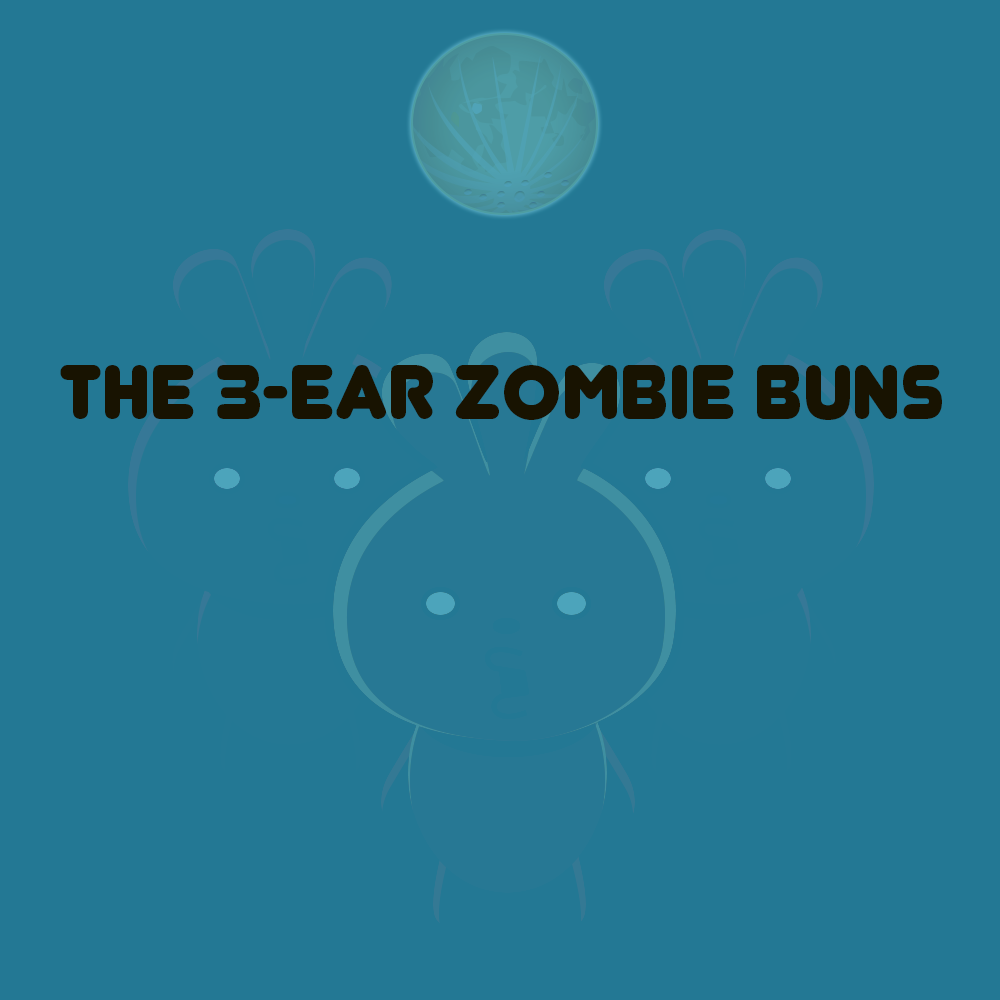
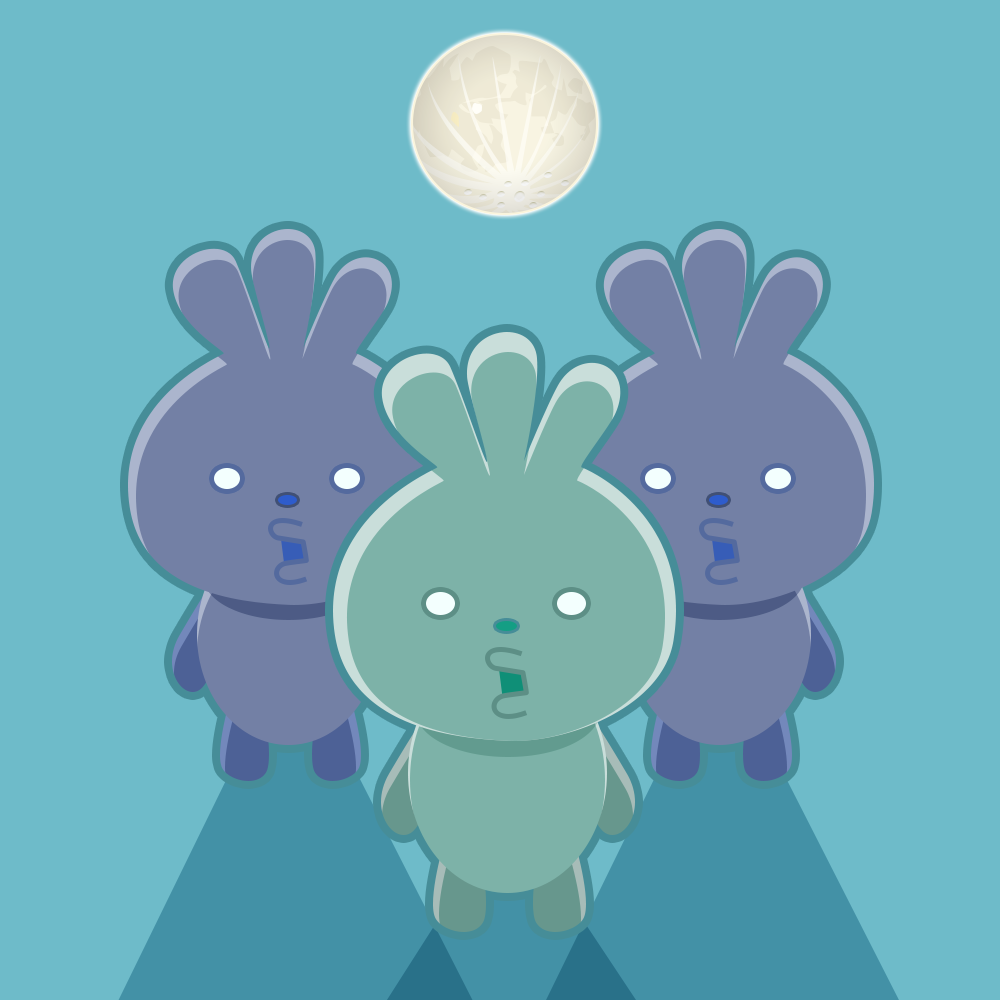
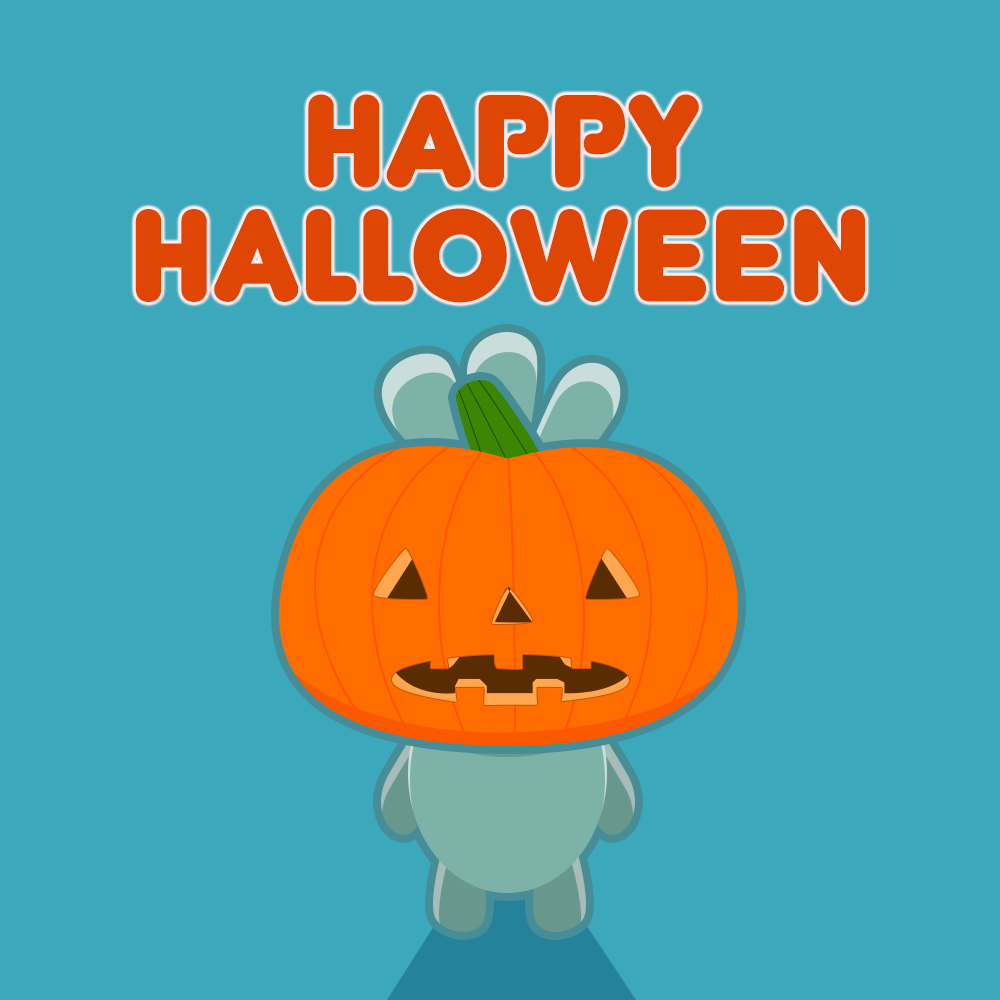
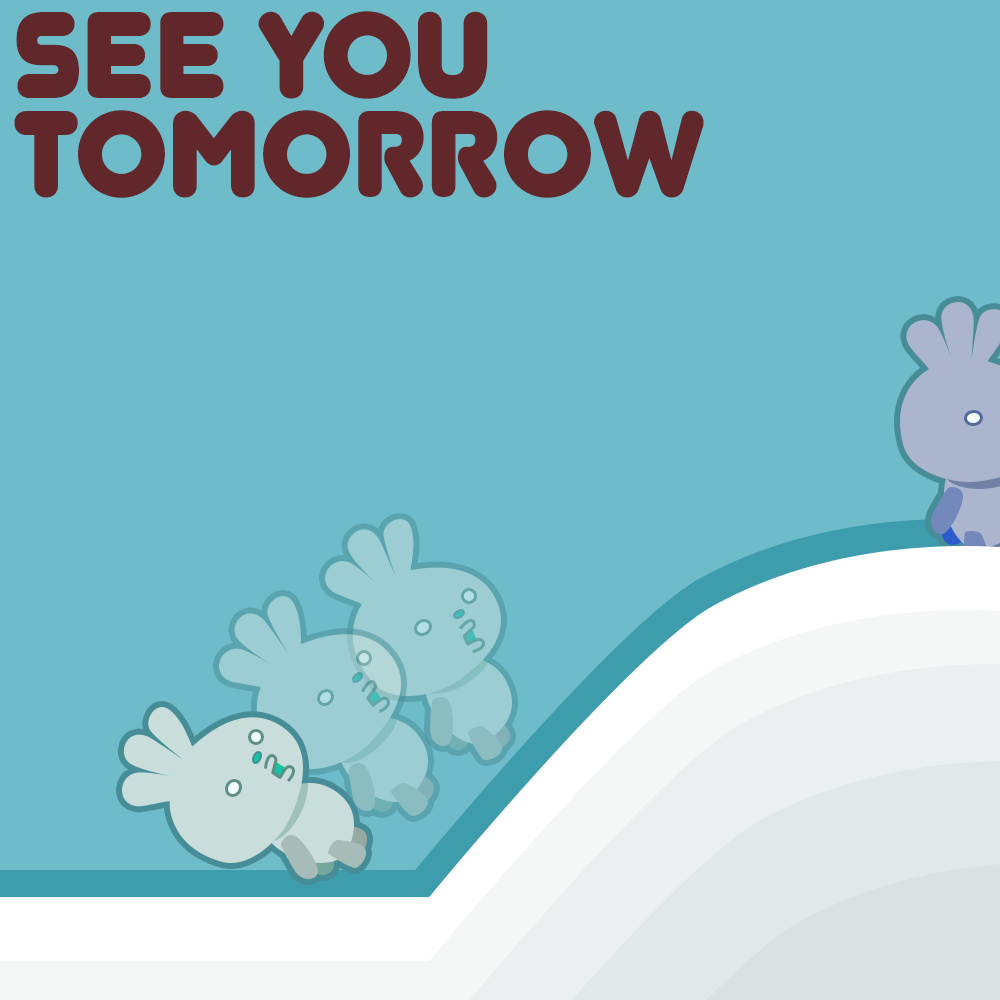
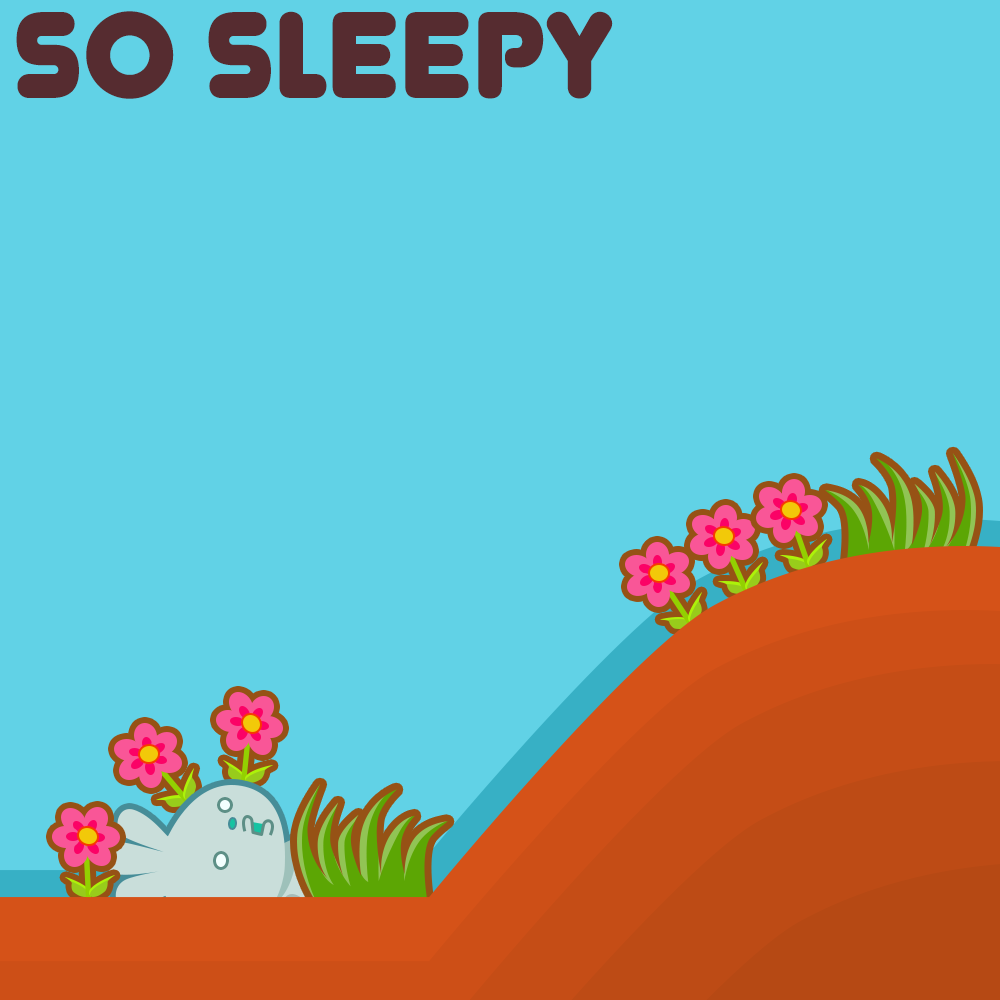
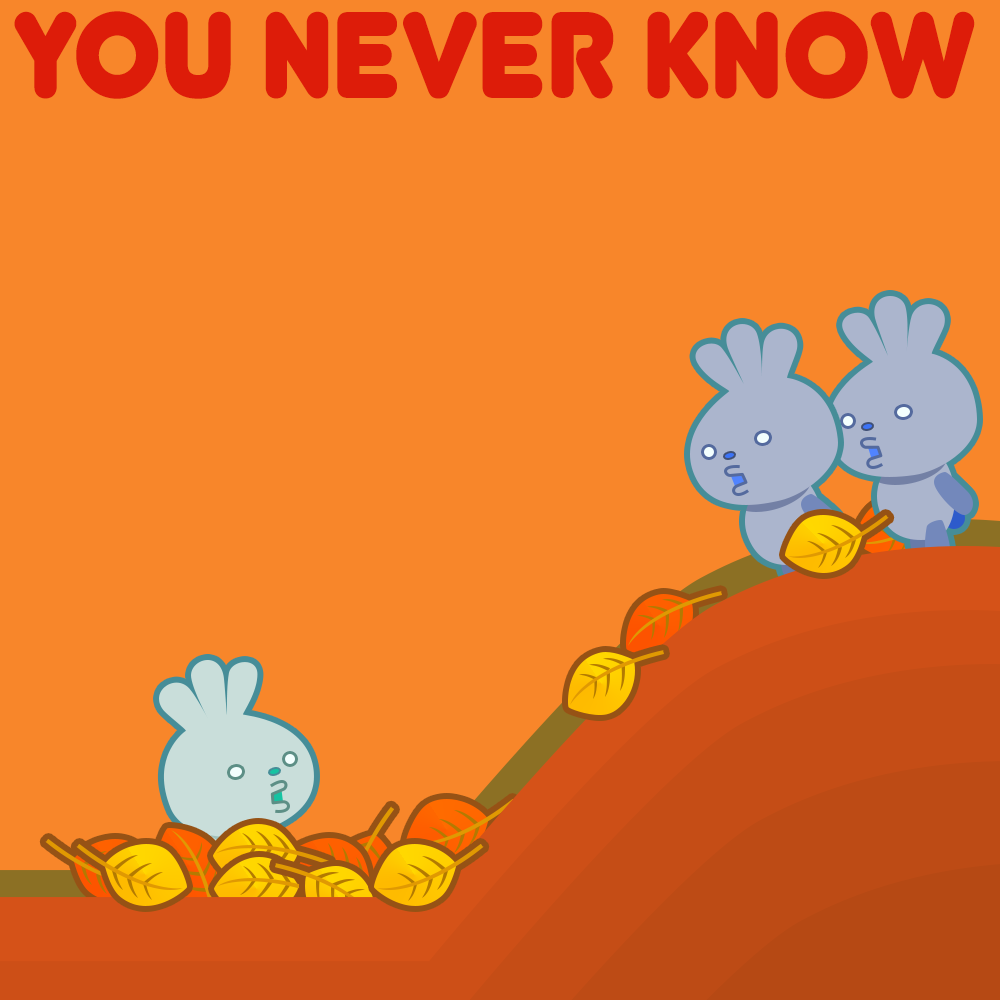
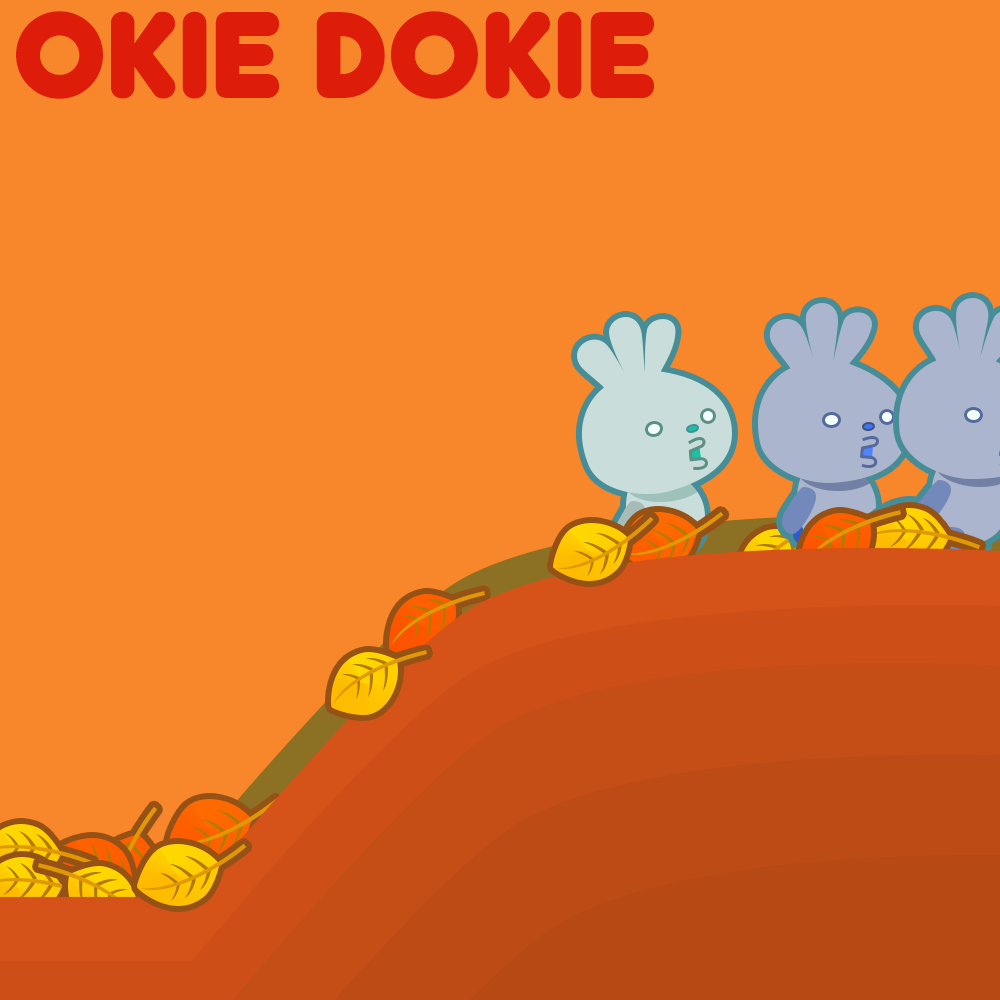
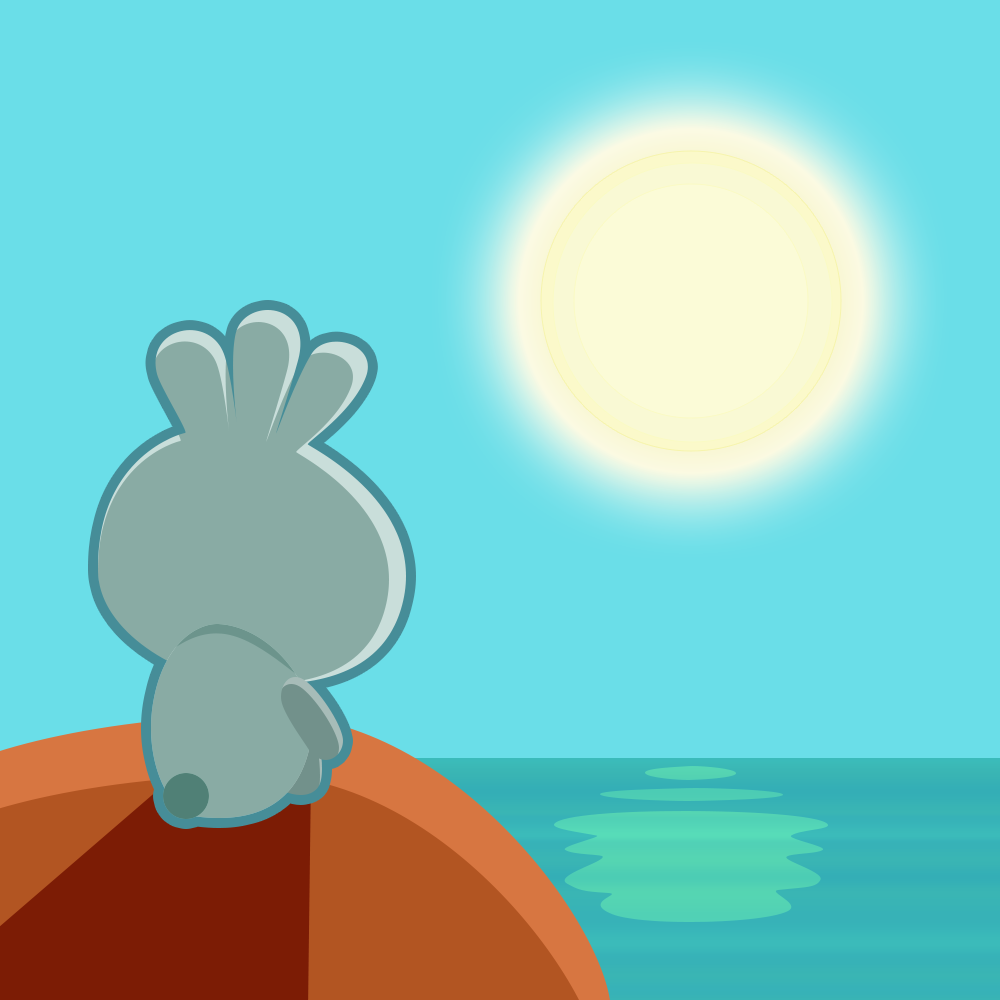
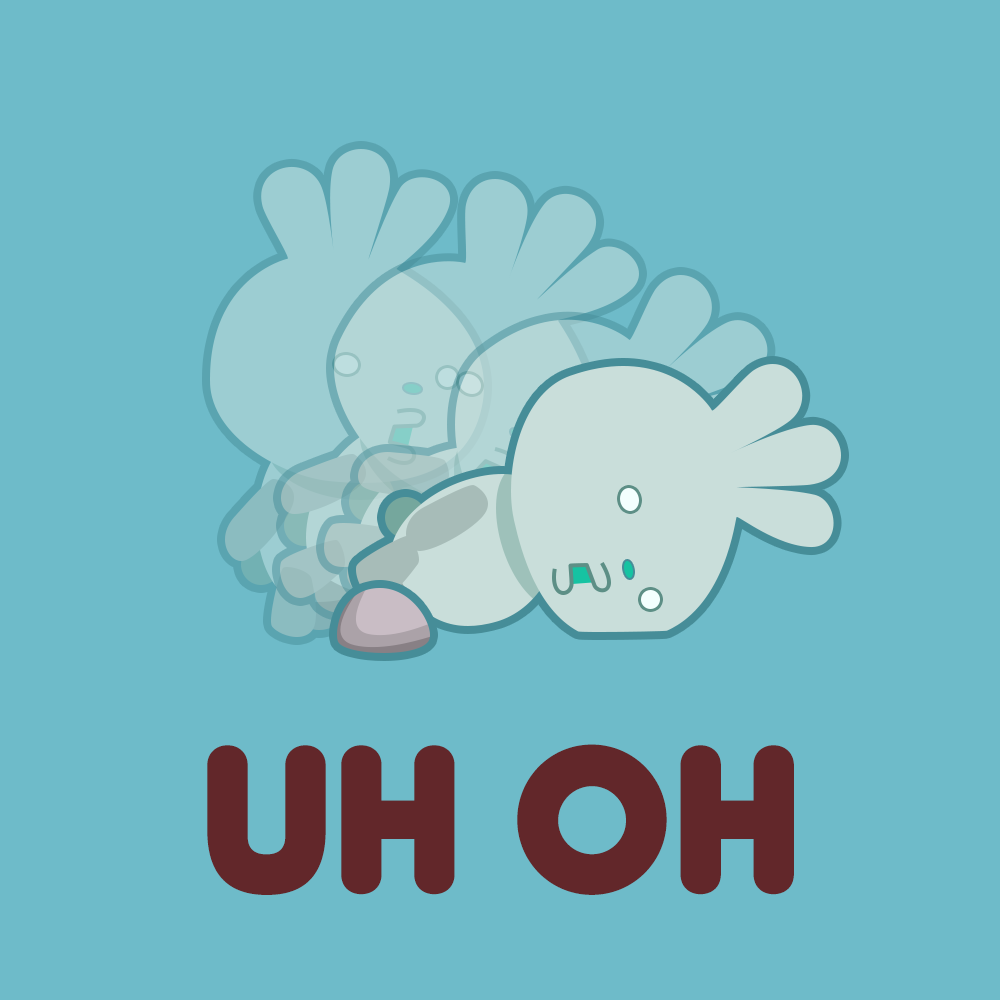
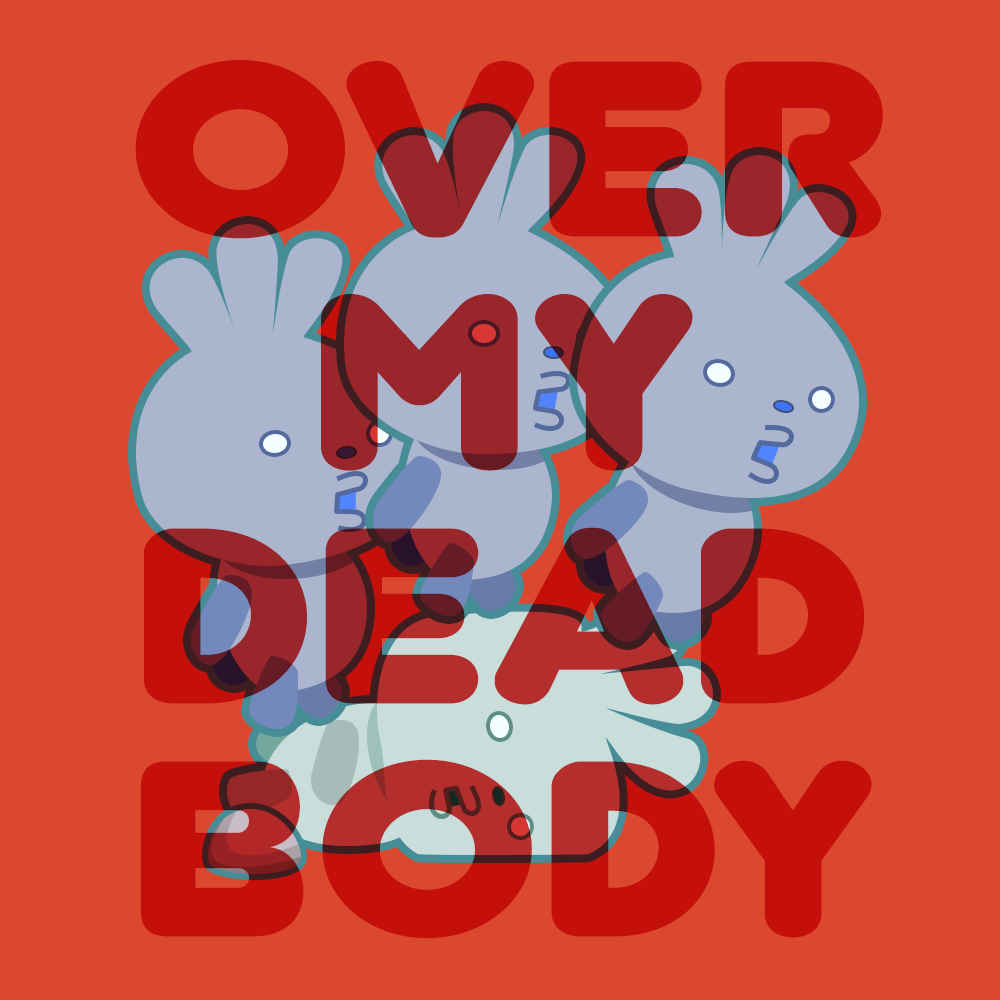
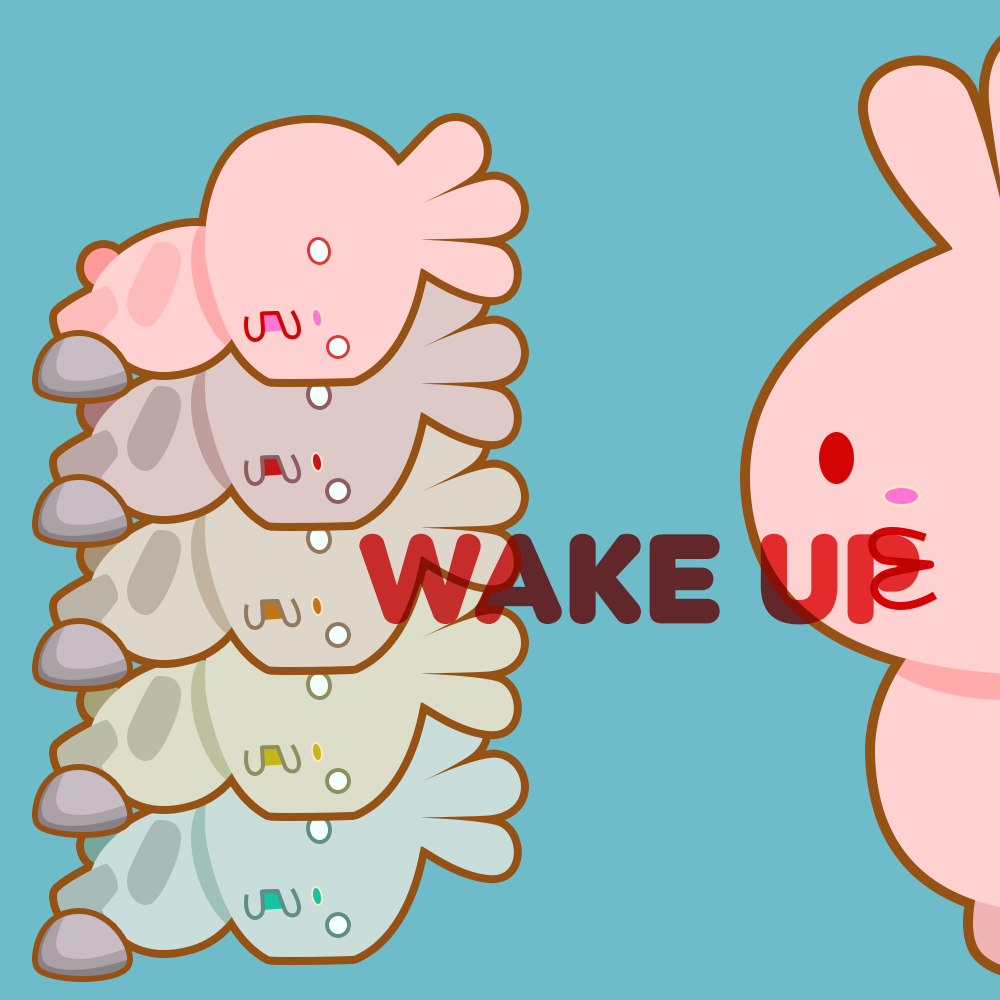
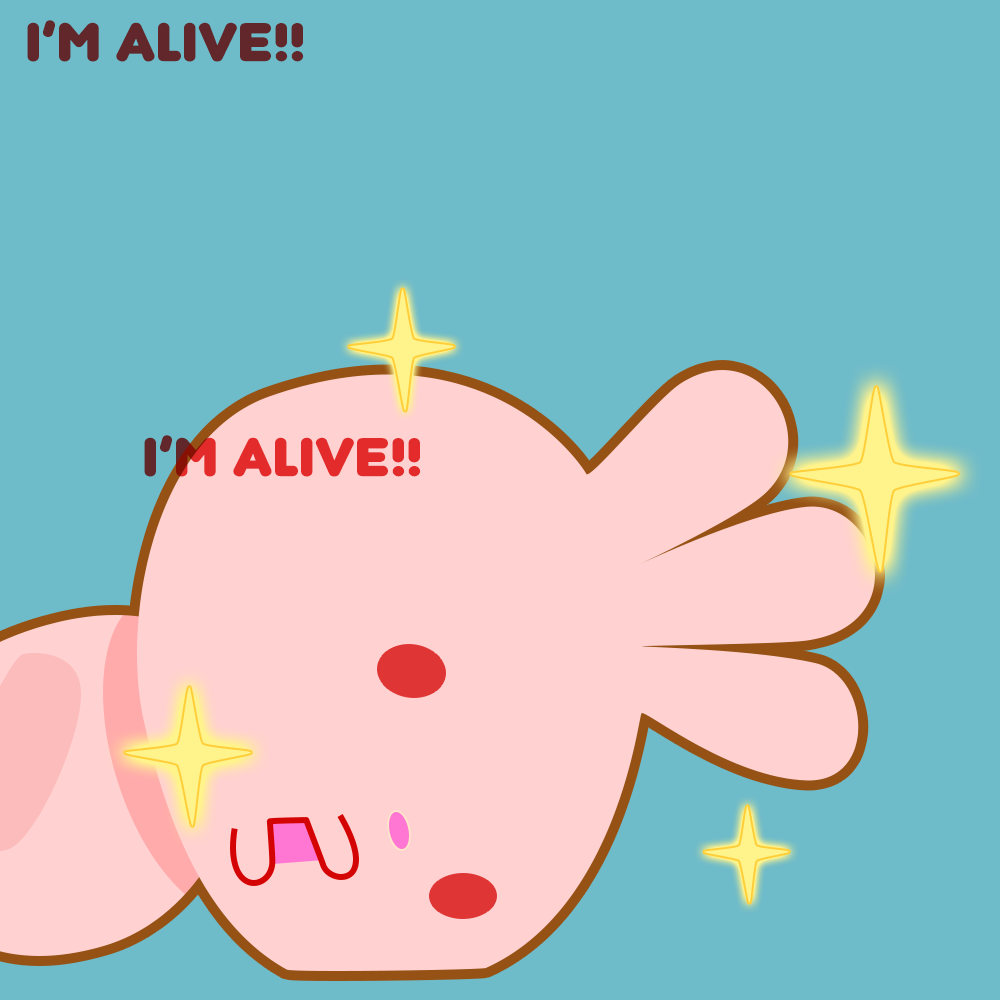
One day, I’m designing quirky zombie stickers starring my very own, never-seen-before 3-ear character. Then it hit me—why zombies? Why am I drawn to these brain-munching weirdos? As a cinephile who’s seen almost 100,000 movies, I have a soft spot for horror. There’s something hilarious and oddly charming about watching zombies shuffle, sprint, and, well, snack on people.
Ever wondered why people, including myself, can’t seem to look away from horror movies, even when some scenes become extreme and morally questionable? Curiosity got the best of me, so I asked Gemini, and here are its answers:
1. Excitation Transfer Theory (one of the main ideas) —
Feelings of fear can heighten subsequent experiences of relief and joy by transferring physiological arousal from one emotional state to another.
2. The "Safe Threat" Environment —
Horror movies allow us to safely experience fear and survival responses in a controlled environment, like practice for real threats, but without any actual danger.
3. The Dopamine and Adrenaline Rush —
The chemicals produced in the brain during scary scenes—dopamine and adrenaline—give us a natural high and an exciting feeling.
4. Curiosity and the "Dark Side" —
People are naturally curious about the unknown and about dark, frightening aspects of life, and horror allows us to explore these safely.
5. Social Bonding (The "Snuggle Effect") —
Watching horror with others can strengthen social bonds, as people tend to cling together during scary moments.
All of these theories could be spot-on, and different ideas might resonate with different people. I always thought horror movies were like bungee jumping—your brain’s flooded with excitement, but you’re totally safe. (Theory 3) That’s what I believed made scary movies enjoyable.
But the more I reflect on it, the less certain I become. If I watched hours of zombies munching on people, I’d probably get tired & bored within a minute. What truly captivates me is how these scenes are woven into compelling stories. This points to Theory 1—the Excitation Transfer Theory—which suggests the real payoff lies in the buildup and aftermath: “The more intense the fear during the film, the greater the feeling of euphoria and relief afterward. It’s not just about the fear itself; it’s about the rush of relief and joy that follows.”
I guess this fear and relief isn’t just a horror movie thing—it's an all-genre extravaganza. The bigger the adrenaline gap, the more energy you need to hang on—so if you’re running on empty, you’ll probably reach for a comedy or light-hearted stories instead of a zombie apocalypse. Maybe I just have energy to spare because I’m always signing up for the scary stuff.
Now, if chasing that heart-thumping thrill is really why I watch horror movies, doesn’t Theory 3 come into play as well? I’d say it does! So my love for horror flicks is a perfect blend of Theory 1 and Theory 3. Still, there’s this persistent mystery: why am I so utterly charmed by zombies and their ghoulish friends? I mean, I genuinely adore those monsters! But what is it about them that draws me in so much?
With their fashionably tattered outfits, avant-garde blood makeup, and the occasional missing eyeball, one might assume they would be the last creatures to capture anyone’s affection. And yet—here I am, completely fascinated! As the inquisitive gore fan I am, I turned to Gemini for a bit of insight again. Here’s what it had to say:
1. The "Threat Simulation" Theory
Disfigured characters symbolize threats like infection or mutation. Our brains are wired to focus on these dangers to monitor risk, making it hard for us to look away.
2. Morbid Curiosity and "The Abject"
A corpse (or a zombie) is the ultimate example of the abject—it is both human and not human. This sense of confusion disrupts our normal understanding of the world and forces us to confront deep fears about death and existence.
3. Sensation Seeking and The "Benign Masochism"
The disfigured monster creates an intense physical sensation of fear or discomfort, which some viewers actively seek out. People enjoy scary or painful feelings when they know there's no real danger involved.
4. Empathy for the "Other"
The disfigured monster visibly displays feelings like rejection, anger, or loneliness—emotions we sometimes feel but hide in everyday life. Carl Jung, a Swiss psychiatrist, suggested that monsters show on the outside what we experience on the inside, making us relate to them in unexpected ways.
5. The Science of the "Uncanny Valley"
Extremely lifelike but not-quite-human monsters create a mismatch in our brains. Because they seem both human and not human, our brains can’t fully adjust, which keeps us alert and glued to the screen, trying to resolve the unsettling feeling.
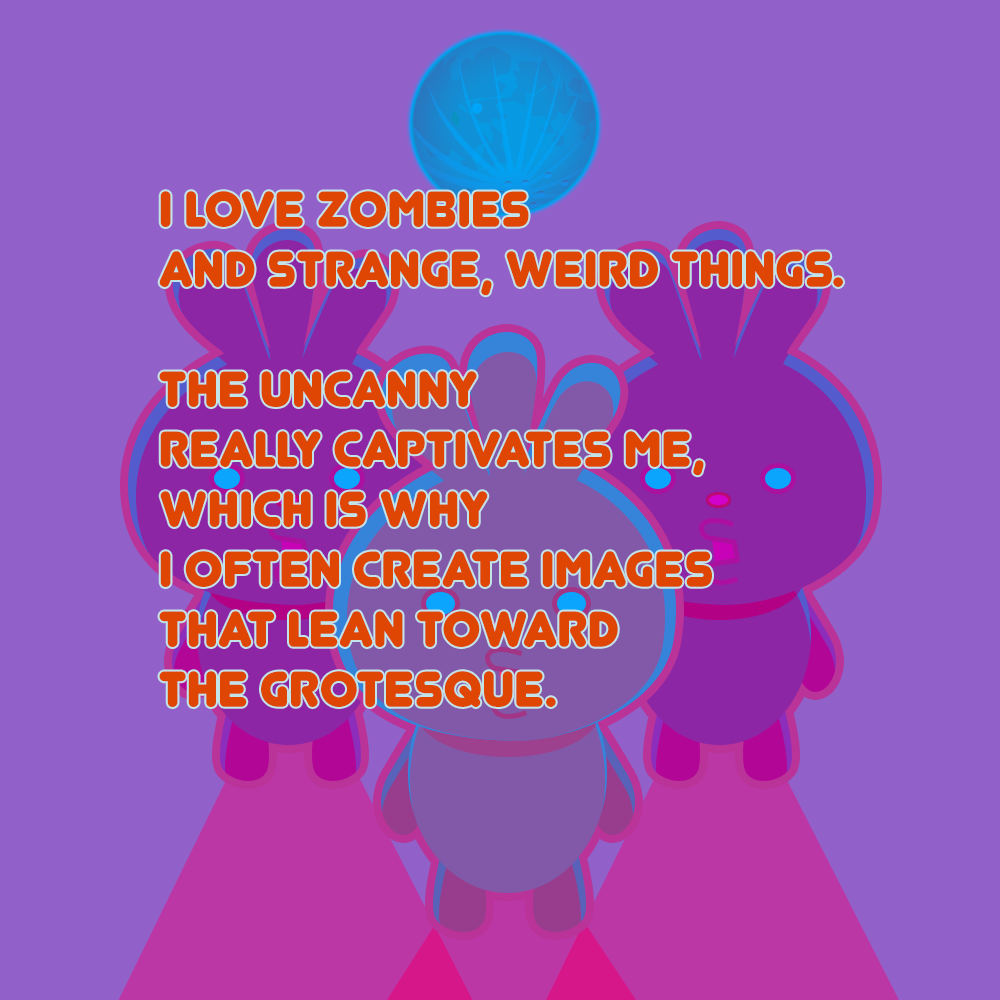
Once again, different theories might strike a chord with different people, and this time, mine is Theory 5. I’m obsessed with that anomalous balance between the familiar and the bizarre. That’s probably why my art always drifts toward the grotesque, and why I can’t get enough of monsters and zombies.
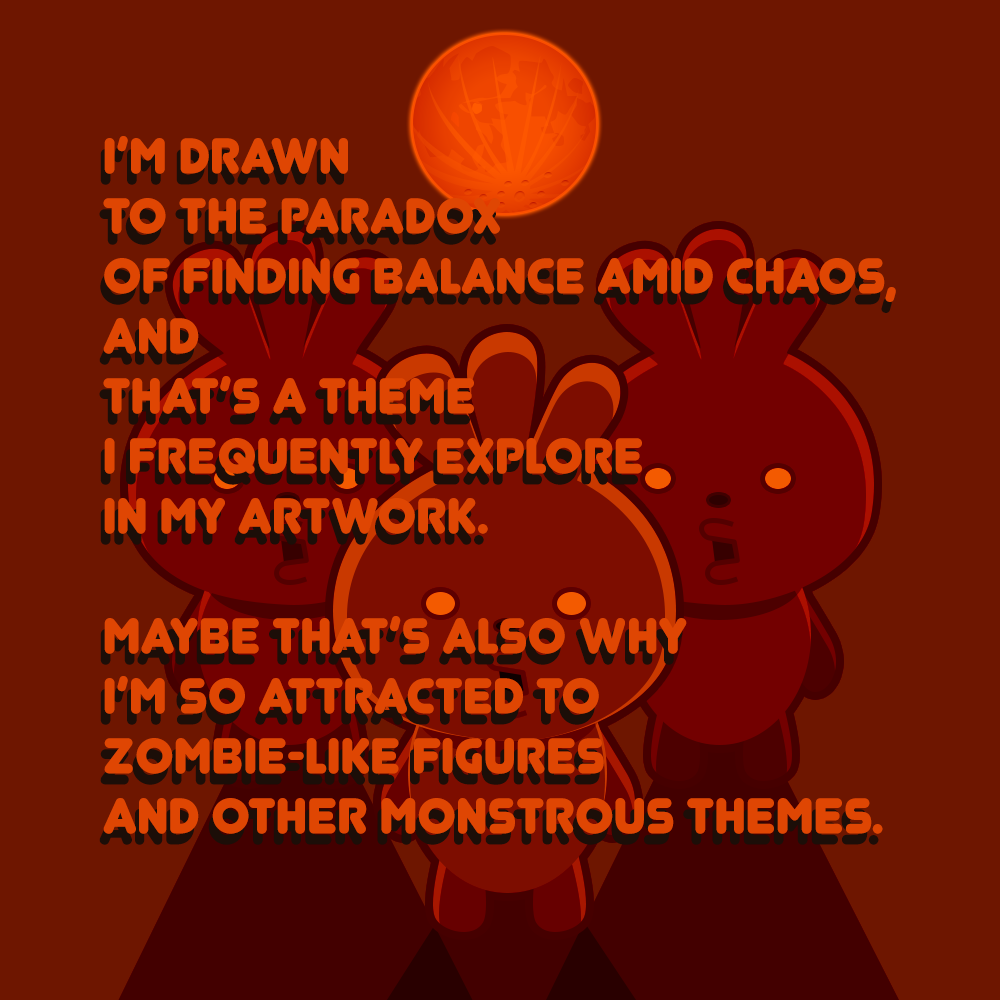
Sometimes, taking a moment to reflect on what truly motivates your choices can be pretty enlightening. For me, writing about zombies and horror flicks has been like free therapy. Turns out, my obsession isn’t just about blood and guts—it’s about the rush of emotion, the thrill of the unknown, and the stories that come alive on screen. When I dig into why I love zombies themselves, I realize I’m hooked on the balance of imbalance—something that sneaks into my art, too.
Each time I write, I uncover more layers. Sometimes, the things that scare us or seem strange at first turn out to be the most interesting parts of who we are.
The 3-Ear-Zombie Bun
One day, I’m designing quirky zombie stickers starring my very own, never-seen-before 3-ear character. Then it hit me—why zombies? Why am I drawn to these brain-munching weirdos? As a cinephile who’s seen almost 100,000 movies, I have a soft spot for horror. There’s something hilarious and oddly charming about watching zombies shuffle, sprint, and, well, snack on people.
Ever wondered why people, including myself, can’t seem to look away from horror movies, even when some scenes become extreme and morally questionable? Curiosity got the best of me, so I asked Gemini, and here are its answers:
1. Excitation Transfer Theory (one of the main ideas) —
Feelings of fear can heighten subsequent experiences of relief and joy by transferring physiological arousal from one emotional state to another.
2. The "Safe Threat" Environment —
Horror movies allow us to safely experience fear and survival responses in a controlled environment, like practice for real threats, but without any actual danger.
3. The Dopamine and Adrenaline Rush —
The chemicals produced in the brain during scary scenes—dopamine and adrenaline—give us a natural high and an exciting feeling.
4. Curiosity and the "Dark Side" —
People are naturally curious about the unknown and about dark, frightening aspects of life, and horror allows us to explore these safely.
5. Social Bonding (The "Snuggle Effect") —
Watching horror with others can strengthen social bonds, as people tend to cling together during scary moments.
All of these theories could be spot-on, and different ideas might resonate with different people. I always thought horror movies were like bungee jumping—your brain’s flooded with excitement, but you’re totally safe. (Theory 3) That’s what I believed made scary movies enjoyable.
But the more I reflect on it, the less certain I become. If I watched hours of zombies munching on people, I’d probably get tired & bored within a minute. What truly captivates me is how these scenes are woven into compelling stories. This points to Theory 1—the Excitation Transfer Theory—which suggests the real payoff lies in the buildup and aftermath: “The more intense the fear during the film, the greater the feeling of euphoria and relief afterward. It’s not just about the fear itself; it’s about the rush of relief and joy that follows.”
I guess this fear and relief isn’t just a horror movie thing—it's an all-genre extravaganza. The bigger the adrenaline gap, the more energy you need to hang on—so if you’re running on empty, you’ll probably reach for a comedy or light-hearted stories instead of a zombie apocalypse. Maybe I just have energy to spare because I’m always signing up for the scary stuff.
Now, if chasing that heart-thumping thrill is really why I watch horror movies, doesn’t Theory 3 come into play as well? I’d say it does! So my love for horror flicks is a perfect blend of Theory 1 and Theory 3. Still, there’s this persistent mystery: why am I so utterly charmed by zombies and their ghoulish friends? I mean, I genuinely adore those monsters! But what is it about them that draws me in so much?
With their fashionably tattered outfits, avant-garde blood makeup, and the occasional missing eyeball, one might assume they would be the last creatures to capture anyone’s affection. And yet—here I am, completely fascinated! As the inquisitive gore fan I am, I turned to Gemini for a bit of insight again. Here’s what it had to say:
1. The "Threat Simulation" Theory
Disfigured characters symbolize threats like infection or mutation. Our brains are wired to focus on these dangers to monitor risk, making it hard for us to look away.
2. Morbid Curiosity and "The Abject"
A corpse (or a zombie) is the ultimate example of the abject—it is both human and not human. This sense of confusion disrupts our normal understanding of the world and forces us to confront deep fears about death and existence.
3. Sensation Seeking and The "Benign Masochism"
The disfigured monster creates an intense physical sensation of fear or discomfort, which some viewers actively seek out. People enjoy scary or painful feelings when they know there's no real danger involved.
4. Empathy for the "Other"
The disfigured monster visibly displays feelings like rejection, anger, or loneliness—emotions we sometimes feel but hide in everyday life. Carl Jung, a Swiss psychiatrist, suggested that monsters show on the outside what we experience on the inside, making us relate to them in unexpected ways.
5. The Science of the "Uncanny Valley"
Extremely lifelike but not-quite-human monsters create a mismatch in our brains. Because they seem both human and not human, our brains can’t fully adjust, which keeps us alert and glued to the screen, trying to resolve the unsettling feeling.
Once again, different theories might strike a chord with different people, and this time, mine is Theory 5. I’m obsessed with that anomalous balance between the familiar and the bizarre. That’s probably why my art always drifts toward the grotesque, and why I can’t get enough of monsters and zombies.
Sometimes, taking a moment to reflect on what truly motivates your choices can be pretty enlightening. For me, writing about zombies and horror flicks has been like free therapy. Turns out, my obsession isn’t just about blood and guts—it’s about the rush of emotion, the thrill of the unknown, and the stories that come alive on screen. When I dig into why I love zombies themselves, I realize I’m hooked on the balance of imbalance—something that sneaks into my art, too.
Each time I write, I uncover more layers. Sometimes, the things that scare us or seem strange at first turn out to be the most interesting parts of who we are.
So, do you like zombies?